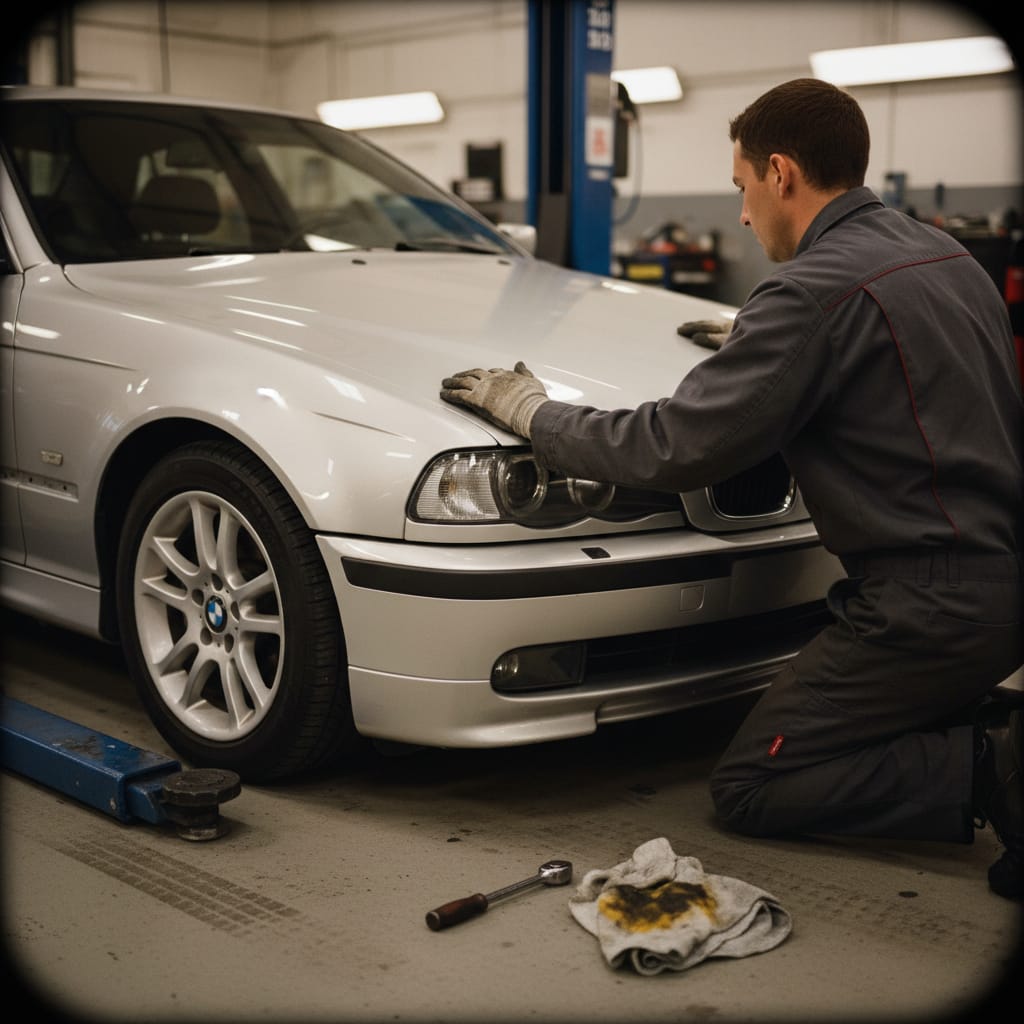
You drive a BMW, a Mercedes-Benz, an Audi, or a Lexus. Something hits it. Now you need a body shop.
The problem is simple: not every shop can repair a luxury or European vehicle correctly. The wrong tools, the wrong parts, or a skipped calibration step will cost you money to fix later. Some of those fixes are expensive.
This article gives you a clear checklist. Use it to separate shops that can handle your car from shops that cannot. When you need a luxury car body shop in Spring Valley CA, these are the questions that matter.
Why Luxury Cars Require Different Repair Knowledge
Most standard vehicles use steel body panels. Many luxury and European vehicles do not.
BMW 5 Series, Audi A8, and Jaguar XF all use aluminum body panels on parts of the vehicle. Some use aluminum throughout. Aluminum is lighter than steel. That helps with performance and fuel economy. But it behaves very differently when you repair it.
Here is what changes with aluminum:
Different tools. Aluminum requires different dent repair tools than steel. You cannot use a standard steel slide hammer on aluminum. Doing so will crack the panel or stretch it unevenly.
Separate work areas. Aluminum and steel shavings must never mix in the same work area. When aluminum and steel particles contact each other, you get galvanic corrosion. A shop that works on both materials must keep dedicated aluminum repair bays.
Different welding processes. Some aluminum repairs use MIG brazing instead of standard MIG welding. The heat input is lower. The joint is less brittle. A shop that does not know the difference will produce a weld that looks fine but fails under stress.
Specialty steel is also part of the picture. Many modern luxury vehicles use ultra-high-strength steel in the pillars and structural rails. This steel cannot be heated and bent back into shape. It must be cut out and replaced. A shop that tries to heat and reform it weakens the structure.
These are not minor differences. They are foundational. A shop without the right equipment for your vehicle's materials cannot repair it correctly.
OEM Parts vs. Aftermarket for Luxury Vehicles
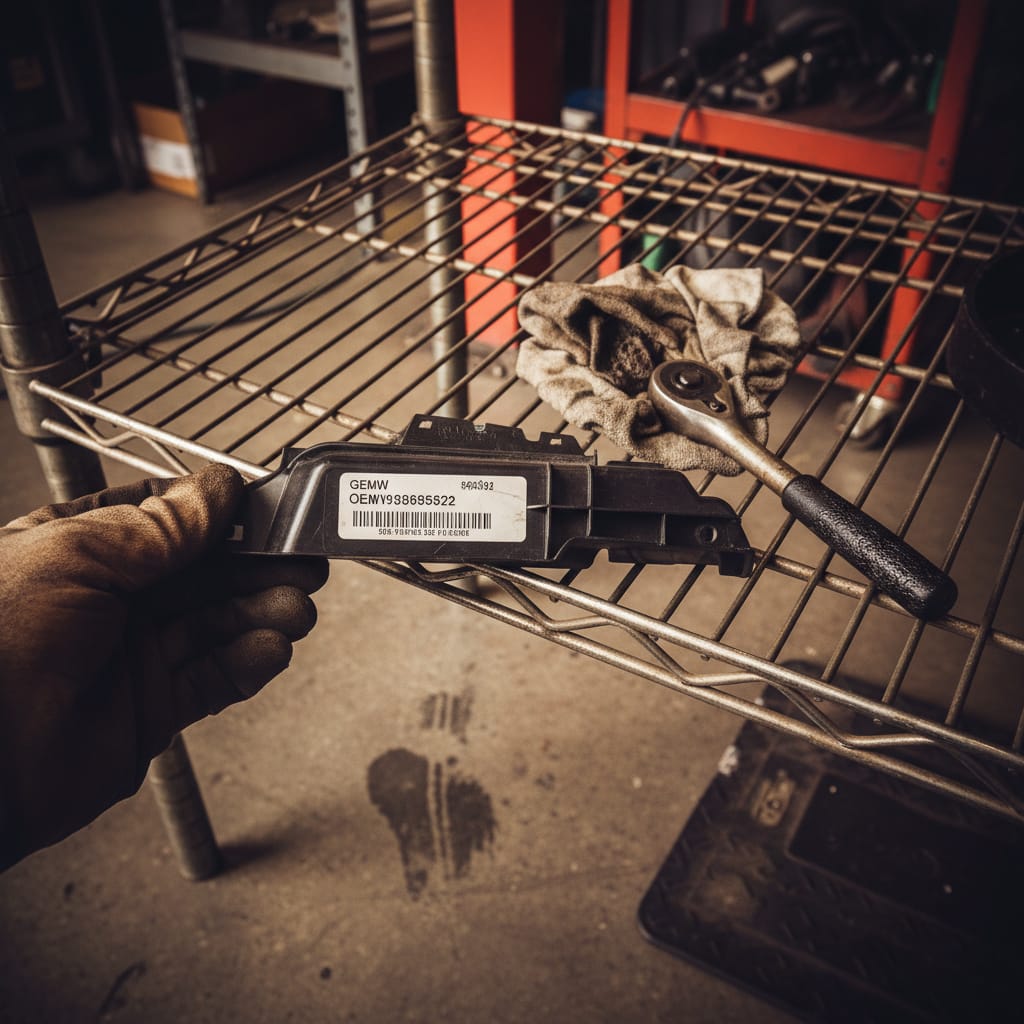
The parts question matters more for luxury vehicles than for standard ones.
OEM parts (Original Equipment Manufacturer) come from the same manufacturer that made your car. A genuine BMW bumper bracket fits the way the factory intended. Mounting points are in the right place. Panel gaps close to spec. Sensors mount where they were designed to mount.
Generic aftermarket parts are made to a price point. For many common repairs on standard vehicles, aftermarket parts work fine. For European luxury vehicles, the fit is often worse. Mounting holes can be off by a few millimeters. Panel gaps may not close correctly. Sensor brackets may not hold the sensor at the right angle.
That last point matters a lot for ADAS. If a radar or camera sensor sits at the wrong angle because the bracket does not fit right, the system will not calibrate correctly. You may leave the shop thinking the car is fixed, but your automatic emergency braking is aimed at the wrong spot.
California law protects you here. Under California Insurance Code, your insurer must disclose when they specify non-OEM parts. You have the right to request OEM parts for your repair. The insurer may not cover the full cost difference, but you have the right to pay the difference yourself and get the parts that fit.
Ask any shop you are considering: Do you have access to genuine BMW, Mercedes, Audi, Lexus, Volvo, Jaguar, Land Rover, or Porsche OEM parts? Can you order them directly from a dealer? If the answer is vague, that is a signal.
Learn more about collision repair services at our Spring Valley shop.
ADAS Recalibration for Luxury Vehicles
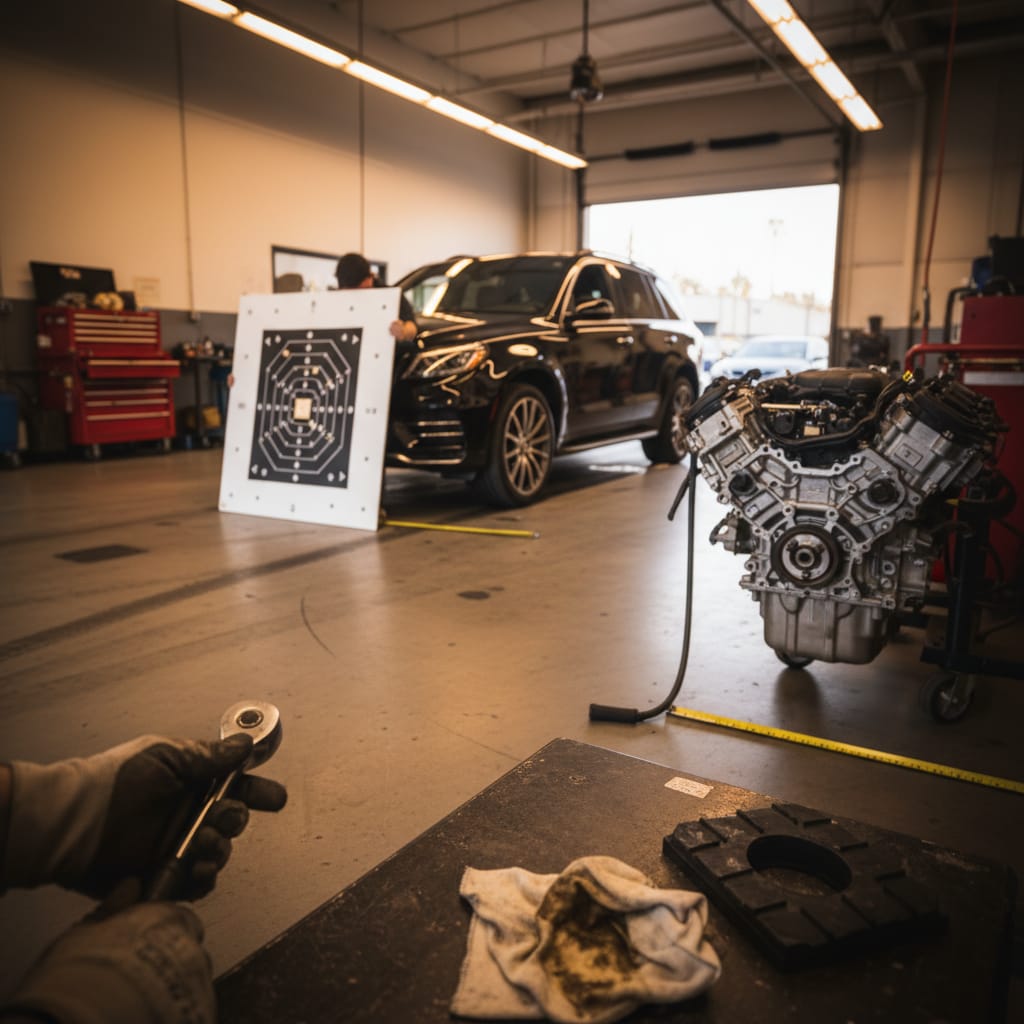
Standard vehicles may have one or two driver assist sensors. Luxury vehicles often have five to eight, or more.
Mercedes-Benz Pre-Safe, BMW Active Protection, and Audi Pre-Sense Plus all include layered radar and camera arrays. A 2022 BMW 5 Series may have front radar, front camera, corner radars at the front bumper, rear radar, rear camera, and surround cameras. All of these work together. All of them need to be recalibrated after any repair that affects their mounting location or field of view.
The calibration process for luxury vehicles is more demanding than for standard vehicles for two reasons.
First, the tolerances are tighter. BMW and Mercedes use calibration procedures that require millimeter-precise target positioning. The shop needs a level floor, the right target, and the right distance. Getting any of those wrong produces a calibration that passes the machine test but fails in real driving.
Second, many European makes require dealer-grade software or OEM calibration targets. Generic aftermarket calibration equipment does not always support manufacturer-specific procedures for BMW, Audi, or Mercedes. If a shop tells you they calibrated your car but cannot show you the OEM calibration report, ask more questions.
Ask the shop: Which calibration software do you use for this make? Do you perform static calibration, dynamic calibration, or both? Can you provide the calibration report?
If the shop does not know the difference between static and dynamic ADAS calibration, find another shop.
Multi-Coat and Specialty Paint Matching
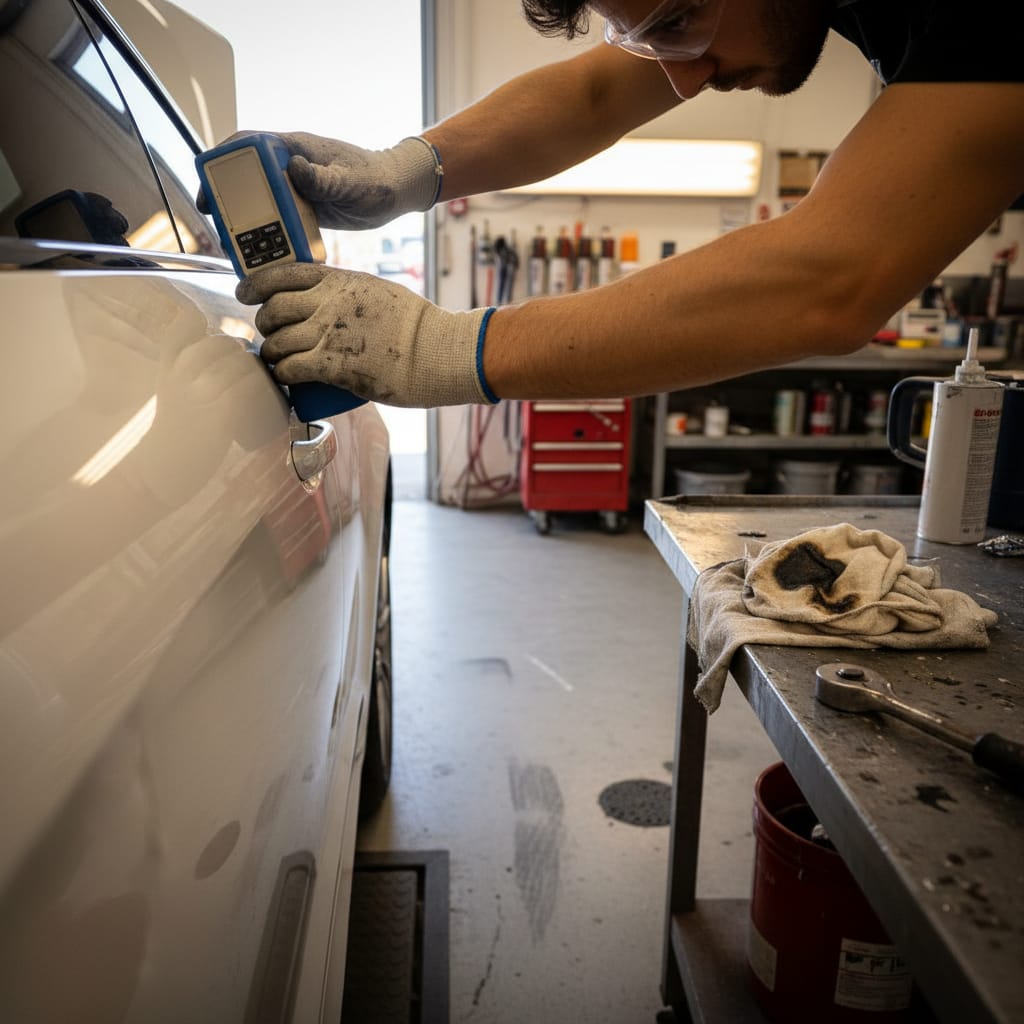
Standard single-stage and two-stage paint finishes are common on most vehicles. Luxury vehicles often use finishes with more layers.
Tri-coat paint is the most common premium finish. Pearl white, certain metallic silvers, and some deep blues all use a tri-coat process: a base color coat, a pearl or metallic effect layer, and a clear coat on top. Matching a tri-coat finish requires reading each layer separately with a spectrophotometer, then blending the repair into the surrounding panels. Many shops skip the spectrophotometer reading and guess. The blend looks fine in artificial shop lighting and off in natural sunlight.
Matte and satin finishes are a different problem. Porsche, BMW, and Mercedes all offer matte clear coat options. These finishes cannot be polished or compounded. If a repair on a matte panel leaves overspray or needs blending, the shop cannot use standard polish to fix it. Standard polish adds gloss. A polished spot on a matte panel will be clearly visible in any light. The repair must be done right the first time.
Ask any shop: Do you have a spectrophotometer? Do you perform test panels before spraying the vehicle? Do you have experience with matte and satin clear coats?
A shop that cuts corners on paint matching will produce a repair that looks wrong and requires redoing.
The Checklist for Choosing a Luxury Car Body Shop
Use this before you commit to any shop for your luxury or European vehicle repair.
Materials and equipment:
- Does the shop have a dedicated aluminum repair area, separate from the steel work area?
- Do they have aluminum-specific dent repair tools and welding equipment?
Parts:
- Does the shop have access to OEM parts for your specific make?
- Will they show you the parts invoice so you can confirm OEM vs. aftermarket?
ADAS calibration:
- Do they perform ADAS calibration in-house or outsource it?
- What calibration software do they use for your make?
- Can they provide the calibration report after the repair?
Paint:
- Do they use a spectrophotometer for color matching?
- Do they perform test panels on tri-coat and specialty finishes?
- Do they have experience with matte and satin clear coats?
Warranty:
- Do they provide a written warranty on the repair?
- What does the warranty cover and for how long?
Get the warranty in writing before you authorize any work. A qualified shop will put it in writing without hesitation.
California Insurance Rights for Luxury Vehicle Repairs
California gives you more control over your repair than most drivers realize.
You choose the shop. Under California Insurance Code §758.5, you have the right to choose your own repair facility. If your insurer tries to steer you to a specific shop, you do not have to go there. Your insurer can recommend shops. They cannot require you to use them.
You have the right to OEM parts disclosure. California law requires insurers to disclose when they specify non-OEM replacement parts. If your insurer is putting aftermarket parts on your Audi or BMW, they must tell you. You can request OEM parts. You may need to cover the cost difference, but you have the right to make that choice.
You can dispute an estimate. If a shop tells you the damage is greater than the insurer's estimate, the shop and insurer are required to work it out. You are not stuck with an underpaid repair.
For more information on your rights as a vehicle owner in a California insurance claim, visit the California Department of Insurance.
FAQ
What makes a luxury car harder to repair than a standard vehicle?
Several things. Aluminum panels need different tools and separate work areas. Specialty paint finishes need color-reading equipment and test panels. ADAS systems need manufacturer-specific calibration. OEM parts are more expensive and harder to source. Each of these adds complexity that a standard body shop may not be set up to handle.
How do I know if my luxury car needs ADAS recalibration after a collision?
Any repair that replaces or moves a component near a sensor requires recalibration. Front bumper repairs, windshield replacements, hood work, and front fascia replacements commonly trigger recalibration on luxury vehicles. The shop should identify which sensors are affected and document the calibration.
Can any body shop repair aluminum panels?
No. Aluminum repair requires specific tools, a dedicated work area away from steel, and trained technicians. Ask any shop directly whether they have a dedicated aluminum bay and the equipment for it. If they do not, your repair will be done on equipment made for steel.
What is the difference between static and dynamic ADAS calibration?
Static calibration is done in the shop with the vehicle parked and a calibration target placed at a precise distance. Dynamic calibration is done while driving at specific speeds on a road with clear lane markings. Some systems require one method. Some require both. A qualified shop knows which your vehicle needs.
Do I have to use my insurer's preferred shop after a collision?
No. California Insurance Code §758.5 gives you the right to choose any licensed repair facility. Your insurer may recommend shops. They cannot require you to use them. Choose the shop you trust.
What should a written warranty from a body shop cover?
It should cover the quality of the repair work and the paint for as long as you own the vehicle. Get it on paper. Check that it covers the specific panels repaired, not just general workmanship. Read it before you sign the authorization.
Talk to Sam About Your Luxury Vehicle Repair
If you drive a luxury or European vehicle and you need collision or body repair, get the facts before you commit to a shop.
All Auto Repair handles luxury and European vehicles in the Spring Valley area. We are happy to answer the checklist questions above, walk you through our process, and give you a straight answer on whether your vehicle is something we can handle.
If you are looking for a luxury car body shop in Spring Valley CA you can trust, call or text Sam at (619) 466-3296 whenever you are ready. We are at 628 Grand Ave, Spring Valley, CA 91977.